
Vietnam presents a unique geographical challenge for the modern traveler. Stretching over 1,600 kilometers from the Chinese border to the Gulf of Thailand, the country is divided into three distinct climatic and cultural zones. Planning a trip here requires an understanding that the weather in the north may bear no resemblance to the conditions in the south at any given time. While the infrastructure has improved significantly with the expansion of budget carriers like VietJet Air and Bamboo Airways, the sheer density of points of interest necessitates a segmented approach to itinerary building. This analysis breaks down the primary regions to determine which destinations offer the highest return on time and financial investment based on current 2024 data and on-the-ground conditions.
Which Northern Vietnam Destinations Offer the Best Mountain and Bay Landscapes?
Northern Vietnam is the country’s cultural cradle, characterized by rugged limestone topography and a four-season climate that distinguishes it from the tropical south. For travelers arriving at Noi Bai International Airport (HAN), the primary consideration is the seasonal window. From December to February, temperatures in the mountains can drop to near freezing, often accompanied by a persistent mist that can obscure the very views travelers come to see. However, the period from September to November offers the most reliable clarity for photography and trekking.
Hanoi: The Logistical and Cultural Anchor
Hanoi serves as more than just a transit point. The Old Quarter, a dense network of 36 streets, remains the epicenter of the city’s street food economy. Research indicates that the density of vendors here is among the highest in Asia. A standard bowl of Bun Cha (grilled pork with noodles) typically costs between 40,000 and 60,000 VND (approx. $1.60 – $2.40 USD). While the city is increasingly congested, the introduction of the Metro Line 2A has begun to alleviate some transit pressure, though most tourists will still rely on the Grab app for affordable car and bike hailing. A 5km car ride through the city generally fluctuates between 70,000 and 120,000 VND depending on surge pricing.
Ha Long Bay vs. Lan Ha Bay: A Comparative Analysis
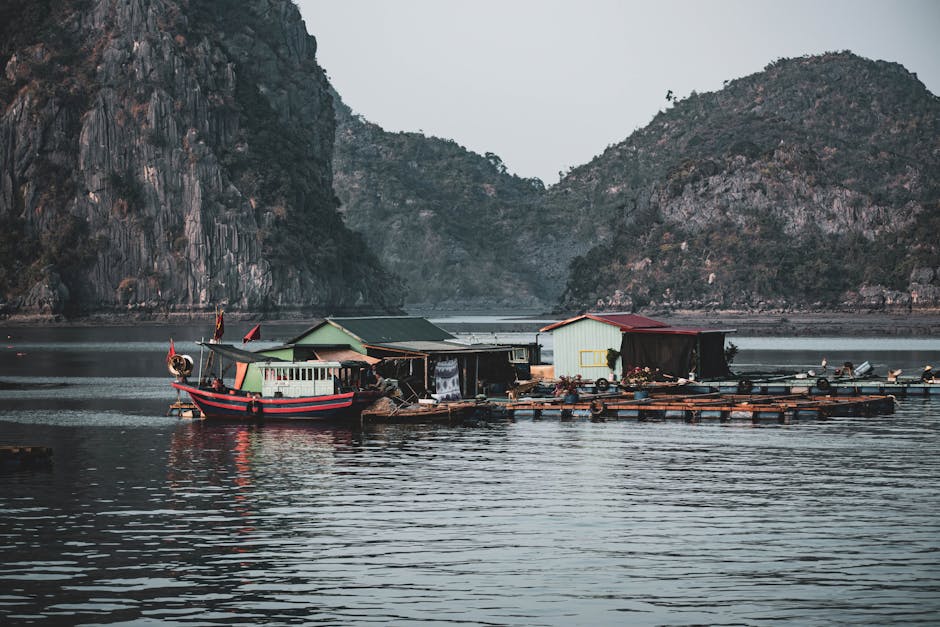
The choice between Ha Long Bay and its southern neighbor, Lan Ha Bay, is a frequent point of contention. Ha Long Bay is a UNESCO World Heritage site and features the most dramatic karst formations, but it suffers from significant maritime traffic and documented water quality issues in high-density areas. Lan Ha Bay, accessed via Cat Ba Island, offers a structurally similar landscape with roughly 40% fewer tourist vessels. Price points for overnight cruises vary wildly. A mid-range 2-day, 1-night cruise on a vessel like the Peony Cruise or Mon Chéri typically costs between $150 and $250 per person. These rates generally include transfers from Hanoi, all meals, and guided excursions to caves or pearl farms. Travelers should scrutinize the inclusion of “entrance fees” and “kayaking equipment,” as some lower-tier operators add these as surcharges upon boarding.
The Ha Giang Loop and Sa Pa: High-Altitude Logistics
For those seeking mountain vistas, Sa Pa was historically the default choice. However, rapid overdevelopment and the construction of the Fansipan Legend cable car have altered the town’s atmosphere. For a more raw experience, the Ha Giang Loop has emerged as the premier destination for experienced motorcyclists. This 300km to 350km circuit requires a permit (easily obtained for about $10 USD) and takes 3 to 5 days. Renting a 125cc semi-automatic bike costs approximately $15 per day, while hiring an “Easy Rider” (a local driver who carries you on the back) costs roughly $40 to $50 per day including fuel and accommodation. The Ma Pi Leng Pass, located between Dong Van and Meo Vac, is arguably the most spectacular road in Southeast Asia, but it requires high levels of concentration and respect for local traffic norms.
The Ha Giang region is strictly monitored. Ensure your international driving permit (IDP) is valid for Category A1 or A2, as local police frequently conduct checkpoints and will impound motorcycles driven by unlicensed foreigners.
How to Choose Between the Cultural and Coastal Sites of Central Vietnam?
Central Vietnam is the most diverse segment of the country, offering a blend of imperial history, sandy coastlines, and world-class culinary traditions. The region is served by Da Nang International Airport (DAD), which is arguably the most efficient entry point in the country. Unlike the sprawling chaos of Hanoi or Saigon, the central coast is relatively compact, making it possible to visit three major destinations within a one-hour radius of each other. The climate here is dictated by the monsoon season, which typically peaks from October to December, often resulting in localized flooding in Hoi An.
Hoi An Ancient Town: Preservation and Commercialism
Hoi An is a remarkably well-preserved example of a 15th to 19th-century Southeast Asian trading port. The yellow-walled buildings and lantern-lit streets are photogenic but highly commercialized. To enter the “Ancient Town” zone, visitors are technically required to purchase a ticket bundle for 120,000 VND, which grants access to five heritage sites (temples, old houses, or museums). The town is also the global capital of bespoke tailoring. Shops like Bebe Tailor or Yaly Couture provide high-end service with suits starting around $200 and dresses from $60. While cheaper options exist in the market, the quality of stitching and fabric sourcing in the established houses justifies the premium. The best way to experience Hoi An is by bicycle; most homestays provide these for free, allowing you to ride the 4km to An Bang Beach in under 20 minutes.
Da Nang: The Modern Coastal Alternative
Da Nang is often overlooked as a mere transit hub, yet it offers a higher quality of life and better infrastructure than the larger metros. My Khe Beach is a 30km stretch of white sand that remains relatively uncrowded during the day. The Marble Mountains, a cluster of five marble and limestone hills, offer a network of caves and pagodas that can be explored in about two hours for an entry fee of 40,000 VND. Da Nang is also the gateway to the Ba Na Hills, a French-themed hill station. While the “Golden Bridge” held up by giant stone hands is a massive social media draw, the ticket price of 900,000 VND (approx. $36 USD) is steep by local standards. It is a highly manufactured experience that appeals more to families and domestic tourists than those seeking authentic cultural immersion.
Hue: The Imperial Legacy
North of Da Nang, over the Hai Van Pass, lies Hue, the former capital of the Nguyen Dynasty. The Citadel and the Imperial City are the primary draws. The complex is vast, and a thorough visit requires at least three hours. Entry is 200,000 VND. Beyond the city walls, the royal tombs scattered along the Perfume River are essential. The Tomb of Khai Dinh is a unique fusion of Vietnamese and European gothic architecture, while the Tomb of Tu Duc offers a more traditional, sprawling garden layout. A private car for a day-long tour of the tombs typically costs around $40 to $50 USD. Hue’s cuisine is distinct, characterized by smaller, more intricate dishes like Banh Beo (steamed rice cakes) and the spicy Bun Bo Hue noodle soup, which many locals argue is superior to the more famous Pho.
| Region | Primary City | Best Weather Window | Average Daily Budget (Mid-range) |
|---|---|---|---|
| North | Hanoi | Sept – Nov / March – April | $45 – $70 USD |
| Central | Da Nang / Hoi An | Feb – May | $50 – $85 USD |
| South | Ho Chi Minh City | Dec – March | $55 – $90 USD |
What are the Essential Southern Vietnam Experiences for History and Nature?
Southern Vietnam is the country’s economic engine, centered around the sprawling metropolis of Ho Chi Minh City (formerly Saigon). The south is characterized by a tropical climate with two seasons: wet (May to October) and dry (November to April). The pace of life here is noticeably faster than in the north, and the city’s skyline is a testament to the rapid foreign investment flowing into the country. For travelers, the south offers a blend of harrowing war history, the unique ecosystem of the Mekong Delta, and the luxury beach resorts of Phu Quoc Island.
Ho Chi Minh City: Urban Energy and Historical Reflection
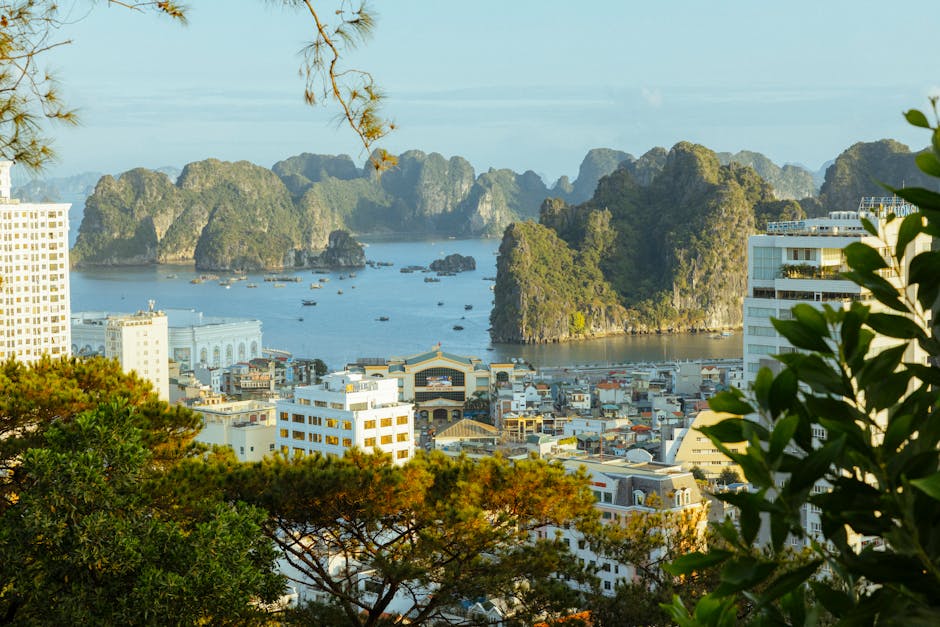
Ho Chi Minh City (HCMC) is a city of contrasts, where French colonial cathedrals stand in the shadow of glass skyscrapers like the Bitexco Financial Tower. The War Remnants Museum is the most visited site in the city. At an entry cost of 40,000 VND, it provides a sobering, albeit one-sided, look at the Vietnam War through the lens of those who lived through it. For a different perspective on the conflict, the Cu Chi Tunnels are located about 60km northwest of the city. A half-day tour typically costs $20 to $35 USD. While the tunnels have been widened for Western tourists, the experience remains claustrophobic and provides an visceral understanding of guerrilla warfare. In the evenings, the city’s craft beer scene is booming; brands like Pasteur Street Brewing and Heart of Darkness have put HCMC on the global map for zymurgy, with pints averaging $4 to $6 USD.
The Mekong Delta: Navigating the River Life
The Mekong Delta, known as the “rice bowl” of Vietnam, is a vast maze of rivers, swamps, and islands. Most tourists book day trips from HCMC to My Tho or Ben Tre. These tours are often criticized for being “tourist traps” involving honey tea tastings and short sampan rides in crowded canals. For a more authentic interaction, it is advisable to travel further to Can Tho, the largest city in the delta. Can Tho is the base for visiting the Cai Rang Floating Market. To see the market at its peak, you must be on the water by 5:30 AM. Hiring a private boat for two people costs roughly 500,000 to 700,000 VND ($20-$28 USD) and allows for a more flexible itinerary than the group tours. The delta is also an excellent place for “homestays,” though many are more like small guesthouses. Look for those that offer cycling tours through the fruit orchards to see the local agricultural rhythm up close.
Phu Quoc Island: Coastal Development and Beach Quality
Phu Quoc is Vietnam’s premier island destination, located closer to Cambodia than the Vietnamese mainland. It is the only part of Vietnam with a specific visa exemption for all nationalities (up to 30 days), provided you fly directly into the island or transit through HCMC/Hanoi on a single ticket. The island has undergone massive development, with the south now dominated by the “Sunset Town” Mediterranean-style complex and the world’s longest over-sea cable car. While the northern beaches like Bai Dai are home to massive resorts and theme parks (VinWonders), the best sand and water quality are found at Sao Beach and Khem Beach in the south. However, trash management remains a significant issue on public beaches. For the best experience, consider a boat trip to the An Thoi archipelago for snorkeling, where the water clarity is significantly higher than on the main island’s shores. A private speedboat charter for the day will cost approximately $120 to $180 USD depending on the season.
- Visa Logistics: As of late 2023, Vietnam has expanded its E-visa program to all countries, allowing for a 90-day stay with multiple entries. The cost is $25 for single entry and $50 for multiple entry. Use the official government portal to avoid service fees from third-party agencies.
- Connectivity: Purchase a Viettel or Vinaphone SIM card at the airport. For approximately $15 USD, you can get a 30-day plan with 4GB of data per day. Coverage is excellent even in rural mountain areas.
- Currency: Vietnam is still a cash-heavy society. While hotels and high-end restaurants in HCMC and Hanoi accept cards, street food vendors and local markets do not. Always carry small denominations of VND for Grab rides and snacks.
Navigating Vietnam requires a balance of planned logistics and spontaneous adjustment. By understanding the regional differences in climate and culture, travelers can avoid the common pitfall of trying to see the entire country in ten days. Focusing on one or two regions allows for a deeper engagement with the local environment and a more sustainable travel pace.