
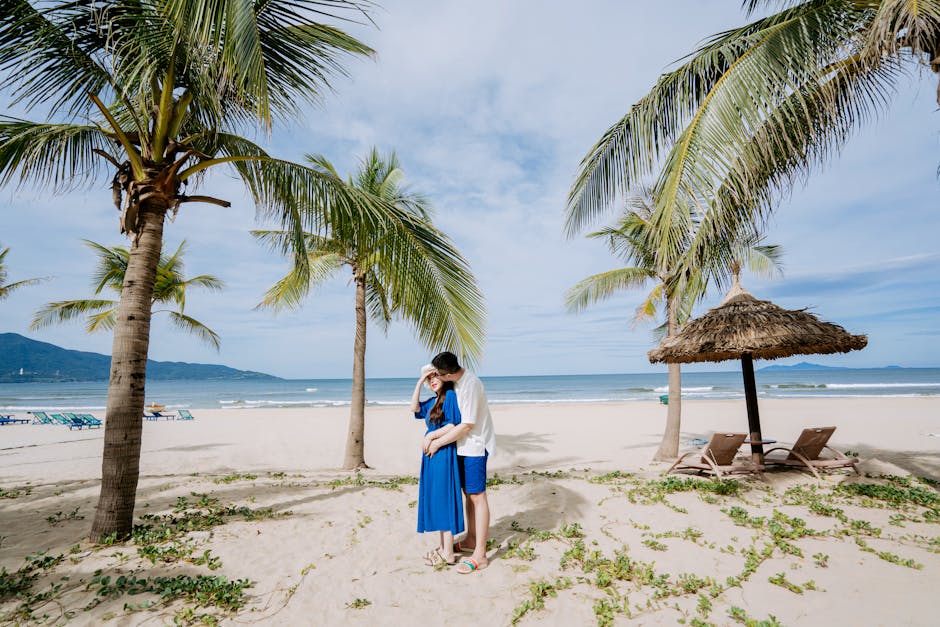
The Initial Budget Shock and How to Recover
You’re engaged! Congratulations. Then the honeymoon planning starts. You open a spreadsheet, type in “Hawaii,” “Maldives,” or “Santorini,” and the numbers hit you. A week in paradise can easily run $8,000, $10,000, or more. That sticker shock is real. It can deflate all the excitement faster than a popped champagne cork. But a memorable honeymoon doesn’t require emptying your savings. It demands smart planning and a realistic approach. Think of it as your first big joint financial project: successful execution means a fantastic start to married life, without the debt hangover.
Many couples face this dilemma. They want a special trip but are also saving for a house, paying off student loans, or just starting their careers. The key is shifting focus from perceived luxury to genuine experience. A cheap honeymoon isn’t a downgrade; it’s an opportunity for adventure, cultural immersion, and creating unique memories that outlast any resort’s thread count.
Calculating Your True Honeymoon Budget
Before you even look at destinations, define your budget. This isn’t just about what you *can* spend, but what you *want* to spend without financial stress. Start by listing all wedding-related expenses. What’s left over? How much can you comfortably save between now and your travel date? Most couples underestimate the total cost. Aim for a specific number. Let’s say you decide on a $3,500 total budget for a 7-day trip. That number guides every subsequent decision.
Break it down: flights (30-40%), accommodation (30-40%), food (15-20%), activities (10-15%), miscellaneous/contingency (5-10%). These are rough percentages, but they give you a framework. For a $3,500 budget, that means $1,050-$1,400 for flights, similar for lodging, $525-$700 for food, and so on. This immediate breakdown clarifies what’s achievable.
Hidden Costs Most Couples Forget
It’s easy to focus on flights and hotels. But many smaller expenses sneak up and inflate the total. Think about airport transfers: a taxi from Rome’s Fiumicino to the city center can be €50 ($55). Multiple those transfers across a trip. Visas can cost anywhere from $20 to $150 per person, depending on your nationality and destination (e.g., Vietnam visa for US citizens is around $25 for an e-visa). Travel insurance is crucial for international trips and can add $100-$300. Don’t forget local taxes and resort fees, which often aren’t included in initial booking prices. Exchange rates and ATM fees also chip away at your funds. A solid budget accounts for these often-overlooked items, ensuring no nasty surprises when you’re supposed to be relaxing.
Tools for Tracking Spending: YNAB vs. Mint
Staying on budget once you’re on your honeymoon is just as important as planning it. Digital tools make this simple. YNAB (You Need A Budget), costing around $14.99/month (or $99 annually), is excellent for proactive budgeting. You give every dollar a job, assigning funds to categories like “honeymoon flights” or “daily food.” It’s hands-on but incredibly effective. For a more passive approach, Mint (free) links to your bank accounts and credit cards, categorizing transactions automatically. You can set budget goals and get alerts. Mint is great for seeing where your money went, while YNAB is better for telling your money where to go. Choose the tool that best fits your financial style to prevent overspending on the fly.
Top Value Destinations for an Unforgettable 2026 Honeymoon

Forget the overpriced clichés. There are incredible places offering romance, adventure, and culture without the hefty price tag. These regions provide excellent value for flights, accommodation, food, and activities. The secret is knowing where to look and being open to experiences beyond the typical tourist traps.
| Destination Region | Average Daily Spend (Excluding Flights) | Key Attractions & Activities | Best Time to Visit |
|---|---|---|---|
| Southeast Asia: Vietnam & Thailand | $50 – $100 per person | Hanoi’s Old Quarter, Halong Bay cruises, Hoi An’s lanterns (Vietnam). Bangkok temples, Chiang Mai cooking classes, Phuket beaches (Thailand). Incredible street food, vibrant markets, ancient history. | November – February (cool, dry season) |
| Eastern Europe: Portugal & Croatia | $70 – $120 per person | Lisbon’s historic neighborhoods, Porto’s wineries (Portugal). Dubrovnik’s Old City, Plitvice Lakes National Park, Adriatic coast sailing (Croatia). Charming cities, stunning coastlines, rich history. | May – June, September (pleasant weather, fewer crowds) |
| Central America: Mexico & Costa Rica | $60 – $110 per person | Mexico City’s art scene, Oaxaca’s culinary delights, Riviera Maya cenotes (Mexico). Arenal Volcano hot springs, Monteverde cloud forests, Pacific coast surfing (Costa Rica). Adventure, diverse ecosystems, vibrant culture. | November – April (dry season) |
Southeast Asia: Vietnam and Thailand
For sheer bang-for-your-buck, Southeast Asia remains unbeatable. Vietnam offers a unique blend of history, stunning landscapes like Halong Bay, and perhaps the best street food in the world. Imagine cruising through limestone karsts, exploring ancient towns like Hoi An, or zipping through Hanoi on a scooter. Thailand, equally affordable, provides vibrant city life in Bangkok, serene temples in Chiang Mai, and postcard-perfect beaches in places like Phuket or Krabi. A $3,500 budget could easily cover two weeks here, including flights, if booked smartly. Expect delicious meals for $2-5, and comfortable guesthouses or mid-range hotels for $30-70 per night.
Eastern Europe: Portugal and Croatia
Europe can be expensive, but not all of it. Portugal is a fantastic option, with its charming cities like Lisbon and Porto, stunning Atlantic coastlines, and delicious food and wine. You can find excellent meals for €15-25 ($16-27) per person, and boutique hotels for €70-120 ($75-130) per night. Croatia, with its dramatic Adriatic coastline, historic cities like Dubrovnik, and beautiful national parks, offers a similar blend of culture and natural beauty at a fraction of Western European prices. Island hopping by ferry is an affordable, romantic way to explore. Both countries provide a rich European experience without the Paris or Rome price tags.
Central America: Mexico and Costa Rica
Closer to North America, Mexico and Costa Rica offer incredible diversity. Beyond the all-inclusive resorts, Mexico has vibrant colonial cities like Oaxaca, world-class culinary scenes, and ancient Mayan ruins. Public transport is very affordable, and local markets provide cheap, delicious food. Costa Rica is an eco-tourism paradise, perfect for adventurous couples. Think zip-lining through cloud forests, exploring volcanoes, and relaxing on pristine beaches. While some tours can be pricier, local transportation and food outside tourist hubs are budget-friendly. A good meal might cost $10-15, and eco-lodges or guesthouses range from $50-100 per night.
Scoring Cheap Flights and Accommodation: The Hunter’s Guide
Flights and lodging eat up the largest chunk of any honeymoon budget. Mastering the art of finding deals here can unlock destinations you thought were out of reach. It’s less about luck and more about strategy and persistence.
-
Step 1: Be Flexible with Dates
This is the golden rule of cheap travel. Flying mid-week (Tuesday-Thursday) is almost always cheaper than weekends. Traveling during the shoulder season (just before or after peak tourist times) or even the off-season can slash prices dramatically. For example, visiting Portugal in May or September rather than July or August saves hundreds on flights and hotels. Many flight search engines offer a ‘flexible dates’ or ‘cheapest month’ option. it. Even shifting your departure by a day or two can yield significant savings.
-
Step 2: Master Flight Search Engines
Don’t stick to one airline or one search engine. Use aggregators like Skyscanner, Google Flights, and Kayak. These tools scan hundreds of airlines and online travel agencies to find the best deals. Set price alerts for your desired routes; you’ll get an email when prices drop. Consider flying into a larger, less popular airport and taking a regional flight or train to your final destination. For instance, flying into Oslo, Norway, and taking a budget flight to Split, Croatia, might be cheaper than a direct flight to Split. Always clear your browser cookies or use incognito mode when searching, as prices can sometimes increase based on your search history.
-
Step 3: Leverage Accommodation Discounts
Hotels aren’t your only option. Airbnb offers unique stays, often with kitchens, which saves money on food. Look for private rooms in guesthouses on Booking.com or Agoda (especially popular in Asia) – they provide local charm and better value than chain hotels. Hostels aren’t just for backpackers; many offer private rooms with en-suite bathrooms that are clean, modern, and very affordable (check sites like Hostelworld). Consider staying slightly outside the absolute city center; a short bus or metro ride can lead to significantly cheaper and often more authentic accommodation options. Always compare prices across multiple platforms before booking.
Avoid These Common Budget-Busting Mistakes

It’s a fact: Many couples inadvertently inflate their honeymoon costs by making avoidable errors. You’ve planned your wedding meticulously, now apply that same rigor to your trip. The biggest budget killer is often a lack of detailed pre-planning for everyday expenses once you’re on location. Don’t fall into these common traps; your wallet will thank you.
Ignoring Off-Season Travel Potential
Many couples fixate on peak season because of perceived “perfect” weather. However, the shoulder season (e.g., late spring or early autumn for Europe) or even a mild off-season month can offer beautiful weather, far fewer crowds, and significantly lower prices on everything from flights to hotels and even local activities. Traveling to Vietnam in April or October, for instance, avoids the intense heat of summer and the holiday rush, providing pleasant temperatures and great deals. You might encounter a bit more rain, but the savings and calmer atmosphere often outweigh this minor inconvenience. This simple shift can save you 20-40% on your total trip cost.
Falling for All-Inclusive Traps
All-inclusive resorts seem like a good deal on paper: one price, everything included. However, for budget-conscious honeymooners, they often lead to overpaying. You’re locked into the resort’s restaurants and bars, which might not be the most authentic or cost-effective. The urge to “get your money’s worth” can lead to overeating and excessive drinking, rather than exploring local culture. A cheaper alternative is to book accommodation with a kitchen and mix self-catering with local eateries. This allows for authentic culinary experiences and far greater control over your daily food budget. You pay for exactly what you consume, not an inflated package price.
Overlooking Local Transportation
Taxis and ride-shares add up quickly. In many budget destinations, local transportation is excellent and incredibly cheap. In Southeast Asia, grab a Grab (the local Uber/Lyft equivalent) or learn to navigate local buses for pennies. In European cities like Lisbon, a day pass for the metro and trams might cost €6-10 ($6.50-$11) and cover all your sightseeing. Research public transport options before you arrive. Use apps like Citymapper for real-time navigation. Walking is also free and a fantastic way to discover a city’s hidden gems. The small effort of learning the local system can save hundreds over a week compared to relying on private transfers.
Your Cheap Honeymoon FAQs Answered
Planning a honeymoon on a budget naturally brings up questions. You want to ensure the experience is still special, even if it’s not extravagant. Here are some common concerns addressed directly.
Is it safe to travel to budget destinations for a honeymoon?
Yes, absolutely. Many budget-friendly destinations are incredibly safe, often safer than major Western cities. Countries like Portugal, Costa Rica, and Vietnam have low crime rates, especially outside of major urban centers where petty theft can occur. The key is to exercise common sense: be aware of your surroundings, don’t flash expensive jewelry, use reputable transportation, and research local customs. Always check your government’s travel advisories (e.g., US State Department, UK Foreign Office) before booking for up-to-date safety information. Millions of tourists visit these destinations annually without incident, enjoying memorable and safe trips.
How much should we budget for food daily in a cheap region?
For destinations like Vietnam, Thailand, or Mexico, you can eat incredibly well for $20-$30 per person per day. This covers three delicious meals from street vendors or local restaurants. Portugal or Croatia might be slightly higher, in the $35-$50 per person per day range, allowing for a mix of budget-friendly eateries and a few nicer sit-down meals. These figures assume you’re not dining at five-star establishments every night. Focus on local markets, street food stalls, and small family-run restaurants for the best value and most authentic culinary experiences. Carrying a reusable water bottle and refilling it also saves money on bottled water.
Can we still have luxury experiences on a budget?
Yes, a budget honeymoon doesn’t mean sacrificing all luxuries. It means being strategic. Instead of a full week at an expensive resort, consider splurging on one or two nights at a beautiful boutique hotel. Book a couples’ massage at a local spa instead of an overpriced hotel spa. Enjoy a sunset cocktail at a rooftop bar with a view, rather than dining there. Many destinations offer incredible experiences that are naturally affordable: a private cooking class in Chiang Mai, a kayaking trip through Halong Bay, or a scenic train ride through the Douro Valley in Portugal. Prioritize what’s most important to you as a couple and allocate your ‘splurge’ funds accordingly. It’s about selective indulgence, not blanket extravagance.
The Single Best Piece of Advice for Budget Honeymooners
Focus on experiences, not expenses. The goal isn’t just to save money, but to create lasting memories. A $5 street food meal shared with your partner in a bustling market can be infinitely more memorable than an overpriced, bland resort buffet. Seek out authentic connections, local adventures, and the joy of discovering somewhere new together. That’s true luxury.