
The first-timer’s UK dilemma: you open Google, type ‘best places to visit UK,’ and immediately feel buried. It’s a sea of blogs shouting about Edinburgh, London, the Lake District, all at once. If you’ve ever planned a trip like this, you know the feeling: information overload leading to analysis paralysis. You end up trying to cram too much in, wasting precious time and money on transit, and barely scratching the surface of any place. I’ve been there, more times than I care to admit, especially on my first few visits to England and Scotland years ago. I thought I could ‘do’ Scotland in two days from London. Rookie mistake. You just can’t. You need to pick your battles, or you’ll burn out before you even get to enjoy that proper pub lunch.
Forget trying to see it all. The UK isn’t a theme park where you hit every ride. It’s a country with centuries of history, diverse landscapes, and unique regional cultures that demand attention. Trying to speed through Stonehenge, then hop to Loch Ness, then dash to a London show in a single week? That’s not a holiday; that’s a self-imposed obstacle course. You’ll spend more time looking at train station departure boards than actually seeing anything. My goal here is to help you cut through the noise, focus your energy, and make sure your UK trip leaves you with genuine memories, not just a frantic photo reel.
The Overwhelmed First-Timer: Why You’re Planning Your UK Trip Wrong
You’re probably approaching your UK trip like a checklist, and that’s exactly where most people go wrong. The UK, despite its relatively small size, is incredibly dense with history, natural beauty, and distinct cultural pockets. You can’t just tick off major cities like attractions. London alone deserves at least four full days, if not more, to properly explore its neighborhoods, museums, and markets without rushing. Edinburgh needs a solid three days. Trying to combine these with a jaunt through the Cotswolds, a hike in the Peaks, and a trip to Northern Ireland? It’s physically possible, yes, but it’s a miserable way to travel. You’ll be perpetually packing and unpacking, navigating unfamiliar transport, and constantly on the move, rather than immersing yourself.
I once saw a couple on a train from London to Edinburgh lamenting that they barely saw anything in London because they spent so much time commuting between sites. They had booked a London Pass and felt obligated to visit every included attraction. Don’t fall into that trap. The best experiences in the UK often come from slowing down, sitting in a local pub, wandering through a lesser-known street, or simply observing daily life. The ‘problem’ isn’t a lack of incredible places; it’s the expectation that you can experience them all in one go. You can’t. You have to make tough choices, and that’s where my advice comes in. My biggest learning curve was realizing that less truly is more when it comes to covering ground here.
The Illusion of Proximity on a Map
Maps can be deceiving. While distances between major UK cities might look manageable on paper, actual travel times, especially by road or less direct train routes, can eat up half a day. A quick glance suggests London to the Lake District is a simple drive north. In reality, that’s a good 4-5 hour drive without traffic, which is a rare commodity. Adding in stops, navigation, and the general faff of travel, you’ve lost a significant portion of your day just getting there. Factor in public transport, and you’re adding connection times and potential delays. My rule of thumb: whatever Google Maps says for driving time, add 25% for real-world conditions, especially if you’re navigating unfamiliar roads. Don’t underestimate the time it takes to get from a train station to your accommodation, check in, and then actually start exploring. It’s not instantaneous.
Over-scheduling and Missing the ‘Vibe’
Another common mistake is packing every hour of every day with scheduled activities. This leaves no room for spontaneity, which is where some of the UK’s best moments happen. Stumbling upon a street performer, deciding to duck into a cozy tea shop because it starts raining, or simply sitting in a park and people-watching – these are the memories that often stick more than another famous landmark you rushed through. When you’re constantly looking at your watch to make the next scheduled tour or museum entry, you miss the opportunity to actually *feel* a place. The UK is full of atmosphere, from the bustling markets of Borough in London to the misty lochs of Scotland. Rushing prevents you from soaking any of it in. My advice: pick one or two major attractions for a day, and leave the rest open.
How to Filter the Noise: My Three Rules for UK Travel
After years of trips, both successful and disastrous, I’ve boiled down my planning strategy to three core principles. Stick to these, and you’ll have a much more enjoyable and authentic experience, no matter where you decide to go.
-
Focus on a Region, Not the Entire Country (or Both Countries). This is my cardinal rule. The UK is made up of distinct nations: England, Scotland, Wales, and Northern Ireland. Each deserves its own trip, or at least a dedicated segment of a much longer journey. For a standard 7-10 day trip, pick *one* major region. Want city breaks and history? Focus on England’s south (London, Bath, maybe a day trip to Oxford). Craving dramatic landscapes and vibrant culture? Dedicate your time to Scotland (Edinburgh, Glasgow, Highlands). Trying to combine London and Edinburgh into a single week is doable, but it will involve a long train journey (4.5-5.5 hours each way, costing upwards of £50-£100+ if not booked far in advance) that eats into two valuable travel days. Instead of trying to see England and Scotland, choose one and explore it in depth. You’ll thank me later when you’re not spending half your holiday on a train.
-
Embrace the Train for Cities, Rent a Car for Remote Areas. The UK’s rail network is extensive and generally efficient for inter-city travel, especially between major hubs like London, Edinburgh, Manchester, and Cardiff. Booking National Rail tickets well in advance (10-12 weeks out) can save you a significant amount of money. However, if your dream is to explore the Scottish Highlands, the Lake District, or rural Wales, a car is non-negotiable. Public transport in these areas is infrequent and often doesn’t reach the most scenic spots. Don’t bother with a car in London or Edinburgh; parking is expensive and often impossible, and public transport is excellent. For example, a week in the Lake District absolutely requires a car to fully appreciate the smaller villages and hiking trails away from the main bus routes. But for getting from London to York, the train is faster, less stressful, and often greener.
-
Don’t Underestimate Smaller Cities and Towns. Everyone rushes to London and Edinburgh, and for good reason—they’re phenomenal. But some of my most cherished UK memories come from places like York, Bath, Chester, or Glasgow. These cities offer a different pace, often with equally rich history and culture, but fewer crowds and sometimes more approachable prices. York, for instance, has incredible Roman and Viking history, a stunning Minster, and charming medieval streets you can explore on foot. Bath offers stunning Georgian architecture and the famous Roman Baths. These places provide a more intimate look at British life and are fantastic complements (or even alternatives, depending on your priorities) to the mega-cities. Don’t just follow the tourist hordes; look for places that genuinely interest you, even if they’re not on every ‘Top 10’ list.
The Non-Negotiables: First-Timer UK Essentials
Alright, if you’re hitting the UK for the first time, there are certain experiences you just shouldn’t skip. These are the places that, despite the crowds, offer a fundamental understanding of British history, culture, and charm. My picks are based on their sheer impact and the depth of experience they offer.
London: Your Entry Point, Not Just a Layover
London isn’t just a city; it’s a collection of worlds. I’ve spent weeks there across multiple trips and still haven’t seen everything. For a first-timer, London is non-negotiable. You need at least four full days, five is better. Focus on a few key areas rather than trying to sprint across the entire city. My top recommendation for a first visit:
- History and Royalty: The Tower of London (entry around £33 for adults, book online) is a must. It’s grisly, fascinating, and incredibly well-preserved. Pair that with a walk past Buckingham Palace and Westminster Abbey. Don’t feel you have to go inside everything.
- World-Class Museums (mostly free!): This is where London shines for budget travelers. The British Museum, National Gallery, and Tate Modern are all free to enter, though donations are encouraged. You could spend days in each. Pick one or two and dedicate a significant chunk of time. I always recommend the British Museum for its sheer scope, but be prepared for crowds.
- Markets and Vibe: Forget the tourist trap shops. Head to Borough Market for incredible food (go hungry!), or Portobello Road Market (Saturdays are best, but also busiest) for antiques and unique finds. These give you a real feel for London life.
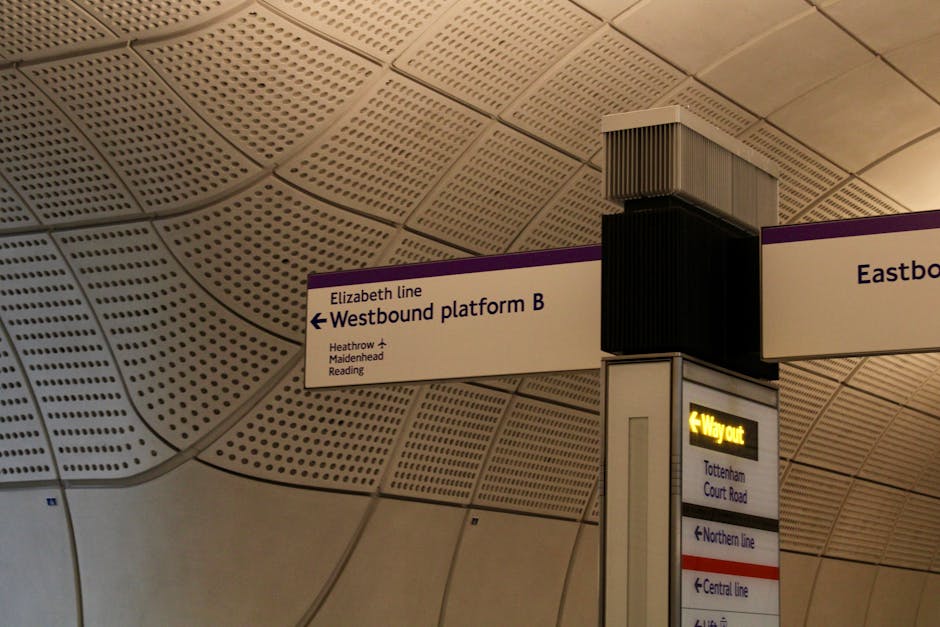
Transportation is easy with the Underground (Tube). Get an Oyster card or use contactless payment on your phone/card. A daily cap means you won’t overspend.
Edinburgh: The Scottish Crown Jewel
After London, Edinburgh is the next essential. It’s utterly unique. Perched on volcanic rock, with its medieval Old Town and elegant Georgian New Town, it feels like stepping into a storybook. Give it three full days, four if you want to do a day trip.
- Edinburgh Castle: Dominating the skyline, it’s the most visited paid attraction in Scotland for a reason. Entry is around £19.50 if booked online. It’s steeped in Scottish history and offers incredible views. Go early to avoid the worst of the crowds.
- Royal Mile & Old Town: Wander down the Royal Mile, explore the closes (narrow alleyways), and soak in the atmosphere. Don’t miss St Giles’ Cathedral. It’s touristy, but it’s where Edinburgh’s heart beats.
- Arthur’s Seat: For the adventurous, a hike up Arthur’s Seat, an extinct volcano, offers panoramic views of the city. It’s a brisk 1-2 hour walk up and down, but the reward is immense. It’s free and offers a fantastic perspective.
Edinburgh is very walkable, especially the Old Town. Public buses are efficient for getting to further-flung areas. A trip here gives you a taste of Scotland that’s distinct from England.
Beyond the Obvious: UK Gems Worth the Detour

Once you’ve got London and Edinburgh covered, or if you’re returning to the UK and want something different, here are some incredible places that offer a different flavor. These aren’t just secondary options; they’re primary destinations in their own right, each demanding a few days to properly explore.
| Destination | What It Offers | Why It’s My Pick | Typical Time Needed |
|---|---|---|---|
| Bath, England | Georgian architecture, Roman Baths, thermal spas, Jane Austen history. | Stunningly preserved historic city, compact and walkable, unique Roman heritage. The Roman Baths (entry around £28) are unlike anything else in the UK. | 2-3 days |
| York, England | Medieval city walls, Viking history (Jorvik Centre), York Minster, Shambles. | A true step back in time. The Minster is breathtaking, and the city walls offer fantastic walks. Much less sprawling than London. | 2-3 days |
| Lake District, England | Stunning mountains, glacial lakes, charming villages, Beatrix Potter connection. | Unparalleled natural beauty for hiking, boating, or simply enjoying the scenery. A car is essential here. | 3-5 days |
| Snowdonia, Wales | Rugged mountains (Mount Snowdon), ancient castles (Conwy, Caernarfon), Welsh culture. | Dramatic landscapes, excellent hiking opportunities, and a deep dive into Welsh language and history. Offers a truly different UK experience. | 3-4 days |
My commentary on these: if you want history and charm without London’s scale, *York* is my top recommendation. For a blend of history and unique architecture, *Bath* is superb. If you’re chasing nature, the *Lake District* is the classic choice, but *Snowdonia* offers a wilder, more challenging experience with a strong Celtic identity. Don’t try to cram more than two of these into a single trip unless you have a good two weeks.
Saving Your Pennies: Experiencing the UK on a Budget
The UK can be expensive, no doubt about it. But with some savvy planning, you don’t need to break the bank. I’ve travelled on a shoestring here plenty of times, and it’s absolutely possible to have an amazing trip without spending a fortune. It just requires a different approach.
Can I really visit UK attractions for free?
Absolutely. Many of the UK’s best museums and galleries, especially in London, are entirely free to enter. The Victoria and Albert Museum, the Natural History Museum, the Science Museum – all incredible, all free. Beyond museums, many parks (Hyde Park, Regent’s Park), public gardens, and even city walks (like the Thames Path or the Edinburgh Royal Mile) cost nothing. Hiking in national parks like the Lake District or Snowdonia is also free, though you’ll need to factor in transport costs to get there. My advice: alternate paid attractions with free ones. Plan a museum morning, then an afternoon exploring a free park or market. This balances your budget and your experience.
What about cheap eats and accommodation?
For food, embrace the supermarket. Tesco, Sainsbury’s, and Lidl are everywhere and offer great deals on meal deals (£3-£5 for a sandwich, snack, and drink) and groceries. Picnics in parks are a fantastic, cheap lunch option. For dinner, traditional pub food can be reasonably priced outside the most central tourist areas (expect £12-£18 for a main course). Look for Wetherspoons pubs; they’re known for their cheap food and drink. For accommodation, hostels are your best friend. In major cities, you’ll find plenty of reputable options like YHA (Youth Hostels Association) or independent hostels, often with private rooms available if dorms aren’t your thing. Booking through sites like Booking.com or Hostelworld and filtering by price and reviews is key. Also, consider Airbnb for self-catering options, especially if you’re staying for several days and want to cook some of your own meals.
Is public transport expensive?
Yes, UK public transport, especially trains, can be surprisingly expensive if you don’t plan ahead. An off-peak single train ticket from London to Manchester could easily be £40-£60. However, there are ways to mitigate this. As mentioned, booking train tickets 10-12 weeks in advance via National Rail or specific train operating company websites (e.g., LNER, Avanti West Coast) often yields significant savings. Look for ‘Advance’ tickets. Coach services like National Express or Megabus are much cheaper but slower. A London to Manchester coach might cost £10-£20 but take twice as long. For city transport, Oyster cards or contactless payments in London offer daily caps, meaning you won’t pay more than a certain amount regardless of how many journeys you make. For multiple train journeys, consider a Railcard if you qualify (e.g., 16-25 Railcard, Two Together Railcard), which offers 1/3 off fares, though they have an upfront cost (£30 for a year).
The Final Word: Prioritize Experience
Look, the UK isn’t going anywhere. You don’t need to see everything in one go. My strongest advice is to prioritize a deeper experience in fewer places over a rushed tour of many. Choose a region, immerse yourself, and let the unique character of that place truly sink in. You’ll leave feeling refreshed, not exhausted, and with a genuine appreciation for the places you actually explored.